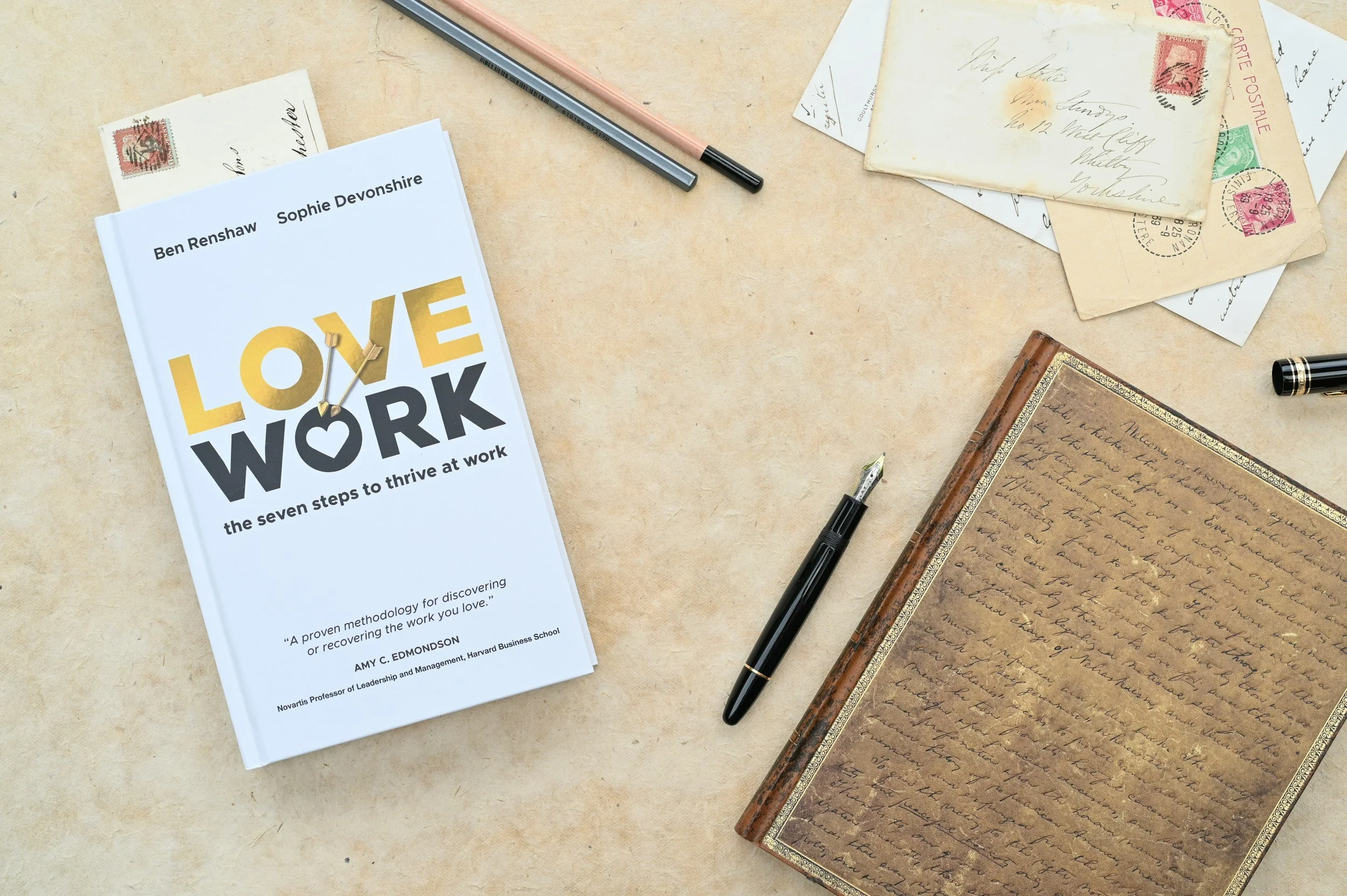
(and Why How You Work Matters More Than Ever)
As we move into March, many of us are settling into the rhythm of the year. The excitement of January goal-setting has faded, February’s recalibration has passed, and now we’re in the stretch where habits—not intentions—define how the year unfolds.
This makes March the perfect time to ask a deeper question:
Are you working harder… or working wiser?
Working wisely is not about doing less or striving for perfection. It’s about aligning how you work with who you are—your values, your energy, your intuition, and your relationships. It’s about creating a work life that is sustainable, meaningful, and effective over the long term.
Below are 7 ways to work wisely, not just for productivity, but for fulfillment, integrity, and impact.
1. Love What You Do (And If You Don’t, Change It Up)
Loving your work doesn’t mean every day feels magical. It does mean, however, that at a core level, your work aligns with who you are and what matters to you.
When people say, “Love what you do,” it can feel unrealistic—or even dismissive—especially when responsibilities, finances, or family obligations are real constraints. But loving your work doesn’t always require a dramatic career leap. Often, it starts with small, intentional changes.
Ask yourself:
What parts of my work energize me?
What consistently drains me?
Where do I feel most useful, alive, or impactful?
You may discover that a simple shift—changing how you structure your day, delegating a task you’ve outgrown, or pursuing a new project—can reignite engagement. Sometimes it’s about changing how you work, not where you work.
And if you’ve outgrown your role entirely? That’s not failure. That’s evolution.
Wise work honors growth. It listens when something no longer fits and has the courage to adjust.
2. Sometimes It’s Not About What You Do, but Who You Do It With
We often underestimate the impact of the people we work with. Yet research consistently shows that relationships at work are one of the strongest predictors of job satisfaction, engagement, and performance.
You can be doing meaningful work, but if the environment is toxic, dismissive, or misaligned, it will slowly erode your energy and confidence. Conversely, you can be doing challenging or imperfect work with people who respect, support, and challenge you—and thrive.
Working wisely means paying attention to:
Who brings out your best thinking?
Who do you trust?
Who drains your energy or creates unnecessary friction?
This doesn’t mean avoiding conflict or only working with people you like. It means choosing environments where there is mutual respect, psychological safety, and shared purpose.
If you’re in a leadership role, this principle matters even more. Culture is created through relationships, not mission statements.
Wise leaders curate teams thoughtfully. Wise professionals choose proximity intentionally.
3. Always Do the Hard Stuff First
There’s a reason this advice shows up repeatedly in productivity research: willpower and cognitive energy are finite.
When we procrastinate on difficult tasks, they don’t disappear. Instead, they take up mental bandwidth, creating low-grade stress that affects focus, mood, and decision-making throughout the day.
Doing the hard thing first:
Builds momentum
Reduces anxiety
Increases confidence
Frees up mental space
This might mean starting your day with the uncomfortable conversation, the complex problem, or the task you’ve been avoiding. It rarely feels good before you do it—but it almost always feels better afterward.
Working wisely is not about avoiding discomfort. It’s about using your best energy on what matters most, not what feels easiest.
4. Know Your Values—Personally and Professionally—and Stick to Them
Values are not aspirational words on a website. They are decision-making tools.
When you are clear on your values, work becomes simpler—not easier, but clearer. You know what to say yes to. You know what to decline. You know when something feels off, even if it looks good on paper.
Ask yourself:
What do I stand for?
What am I unwilling to compromise?
What do I want my work to reflect about me?
Personal values and professional values are not separate. When they are misaligned, people experience burnout, resentment, and disengagement—even in high-status or high-paying roles.
Working wisely means making choices you can stand behind, even when they’re inconvenient. It means playing the long game with your integrity.
5. Your Intuition Is Important to Use at Work
Intuition is often misunderstood as vague or unprofessional. In reality, intuition is pattern recognition informed by experience. It’s your nervous system and subconscious processing information faster than conscious logic can.
This doesn’t mean ignoring data or analysis. It means integrating them.
Pay attention to:
Gut reactions that persist
Subtle discomfort that logic can’t explain
A sense of ease or resistance around decisions
Some of the most effective leaders and professionals are those who trust themselves enough to listen inwardly—while still testing assumptions and seeking perspective.
Working wisely means respecting your inner knowing. If something feels wrong, it’s worth exploring why. If something feels aligned, it’s worth taking seriously.
6. Treat Your Fellow Workers Well—Always
How you treat people when you’re stressed, rushed, or frustrated says more about you than how you treat them when things are going well.
Working wisely means remembering that every workplace is made up of human beings, each carrying their own pressures, insecurities, and responsibilities.
This includes:
Speaking with respect
Giving credit generously
Offering feedback thoughtfully
Listening without defensiveness
Kindness is not weakness. In fact, it’s a strategic advantage. Teams built on respect and trust outperform those driven by fear or competition.
Even when boundaries are required, they can be set with clarity and dignity.
Wise work recognizes that relationships outlast projects.
7. Create the Best Place to Work That You Can
Whether you run a company, lead a team, or work independently, you have more influence than you think over your work environment.
Creating the best place to work includes:
Physical space (light, comfort, order)
Emotional space (safety, honesty, appreciation)
Structural space (clear expectations, reasonable workloads)
You may not control everything—but you can control something.
For leaders, this means modeling balance, transparency, and accountability. For individuals, it means advocating for what you need and designing your day with intention.
A wise workplace doesn’t chase perfection. It prioritizes well-being, clarity, and respect.
Bringing Love to Work
I often say:
“It is appropriate to bring Love to work.”
— Lorin Beller
This doesn’t mean blurring boundaries or ignoring professionalism. It means bringing humanity, care, and sincerity into what we do.
Love at work looks like:
Doing work that matters
Treating people well
Making decisions you can live with
Creating environments where people can thrive
In a world that often glorifies hustle and detachment, working wisely is a quiet, powerful choice.
As you move through March, consider not just what you’re working on—but how you’re working, and who you’re becoming in the process.
That is the work that lasts.